Autism does not refer to one single experience; it covers a broad range of neurodevelopmental differences, affecting relationships, behaviors, emotional experience, and the client’s experience in the world.
In this training, participants will learn how to target material relating to the child’s early attachment wounds, including targets without an explicit memory.
In this training, participants will learn how to target material relating to the child’s early attachment wounds, including targets without an explicit memory.
Playful Supervision Pathways: Experiential Activities in Play Therapy Supervision
Experiential activities have the power to deepen the supervisory relationship, but their greatest impact occurs when they are intentionally applied to meaningful play therapy supervision and clinical application.
Play Therapy Interventions for OCD, Anxiety, & Phobias in Children
This training explores developmentally appropriate and engaging approaches for working with children experiencing OCD, anxiety, and phobias through the lens of play therapy.
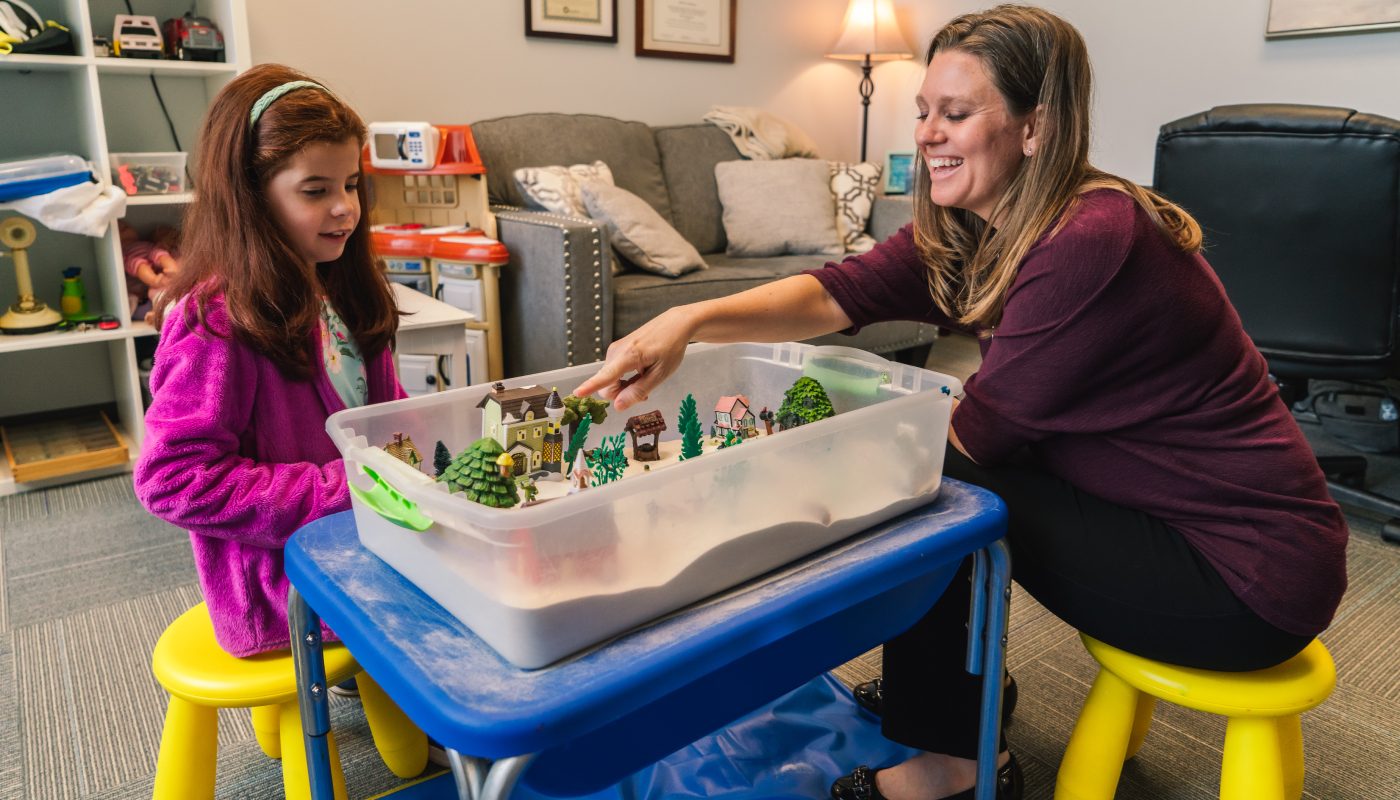
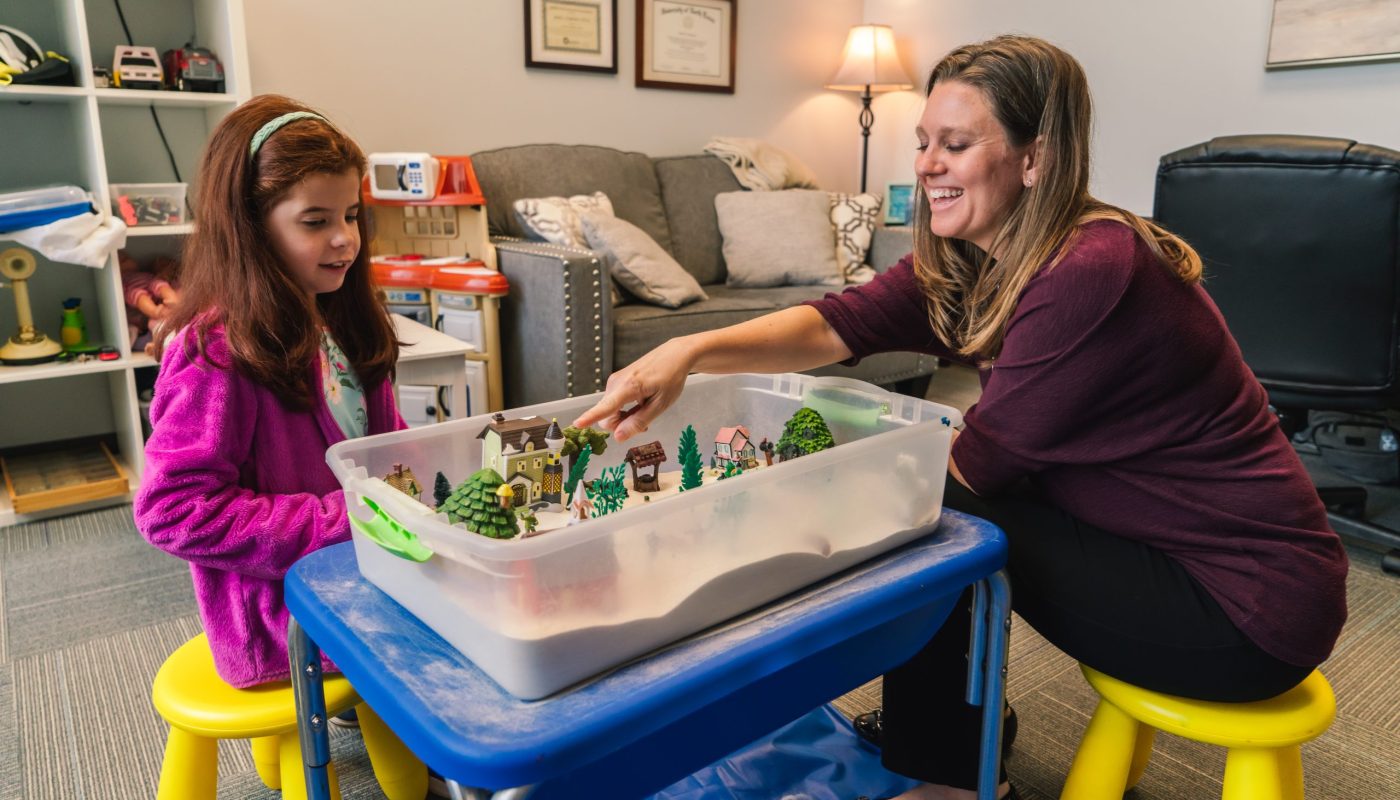
This introductory training offers play therapists a hands-on exploration of Sandtray Therapy, a developmentally appropriate, expressive modality that supports children and adolescents in safely accessing and processing their inner worlds.
Therapy with adolescents requires flexible, developmentally appropriate play therapy approaches that address presenting concerns while building strong therapeutic rapport.
Electronically Dependent Generation: The Impact on Play Therapy is an intriguing, informational training that gives the history of development of electronic devices and screens, the average use of these devices, and the impact on individuals and relationships.
Integrating Adventure-Based Activities into Play Therapy
This workshop is designed for mental health professionals interested in expanding their therapeutic toolkit by incorporating experiential, adventure-based activities into traditional clinical settings with youth and young adults.
One of the most powerful and dynamic factors in play therapy is the relationship between therapist and child. Transference and countertransference can contribute to growth or a resistance to change in play therapy.
Widening the Window of Tolerance with Trauma in Play Therapy
For children who have experienced complex trauma, play therapy provides children with an opportunity for a safe space and a meaningful attuned relationship.
Play Therapy with Children of Divorce and High-Conflict Caregivers
This training equips play therapists with practical, developmentally appropriate strategies for working with children navigating divorce and high-conflict caregiving relationships.